What a Strike on a Russian Ship Near Libya Could Mean
What a Strike on a Russian Ship Near Libya Could Mean
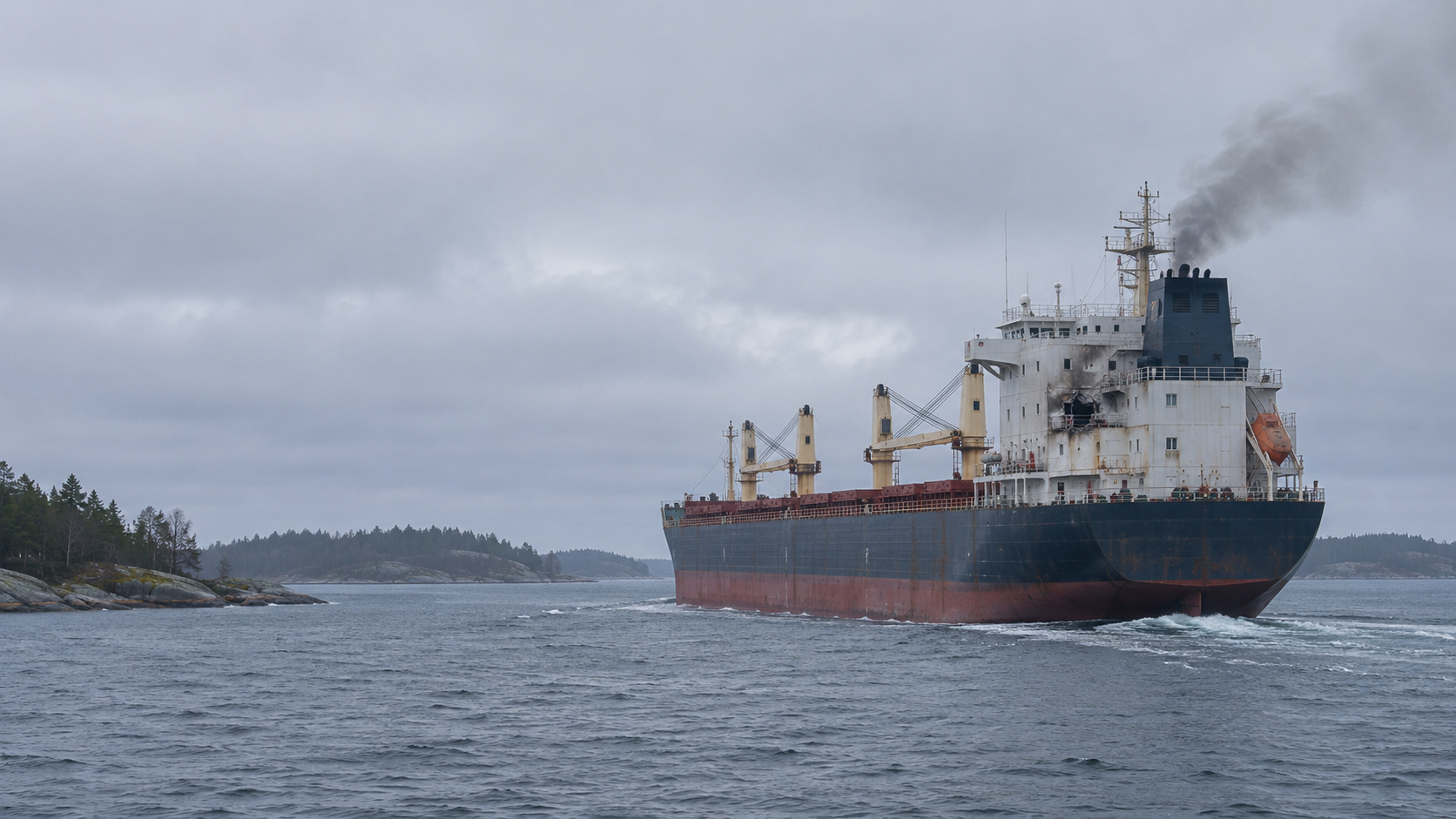
A reported Ukrainian drone strike against a Russian ship off Libya has raised a question that extends beyond the fate of one vessel: how far has the Russia-Ukraine war reached?
Ukraine has previously conducted long-range attacks against Russian military and logistical targets far from the main front. A reported operation near Libya would nevertheless carry unusual strategic weight. Libya lies outside the conventional European battlefield, while the southern Mediterranean connects Europe, North Africa, maritime trade and Russia’s broader military network.
The incident could indicate that Ukraine is prepared to target Russian military assets beyond the immediate war zone. It could also expose the risks created by Russia’s overseas deployments, including vulnerable supply lines, ships, personnel and regional partnerships.
The available reporting does not establish every detail. Al Jazeera reported that Ukraine claimed drone strikes against Russian ships off Libya (Source 3). Other reports describe the vessel as a Russian warship that was sunk, including coverage cited by The Japan Times (Source 7).
These accounts should be treated as reported claims rather than settled facts. The difference between a damaged, disabled and sunk vessel is substantial. Independent imagery, official statements, vessel tracking and maritime analysis are needed to confirm the ship’s fate and the operation’s wider consequences.
What Happened to the Russian Ship?
According to the available reporting, Ukraine said it conducted drone strikes against Russian ships off Libya. The reports do not provide enough verified detail to establish the exact vessel, the number or type of drones, the precise location or the extent of the damage.
It is also unclear whether there were casualties or whether the vessel was operating as a warship, transport ship, support vessel or another military-linked platform. Those distinctions would shape the operation’s military significance and the resulting legal and diplomatic debate.
Some reports use stronger language and describe the incident as the sinking of a Russian warship (Source 7). Another account presents the incident as evidence that the conflict is extending beyond Europe (Source 9). Without supporting imagery or independent assessments, the strongest version of the claim should not be treated as confirmed.
Why Libya Matters
Libya occupies a strategically important position on the southern Mediterranean, near European sea lanes, North African routes and access points toward sub-Saharan Africa. Its political fragmentation and divided security environment have also created opportunities for foreign powers to develop military relationships and logistical access.
An attack near Libya would raise questions about Russian access to ports, resupply arrangements, maritime movement and the protection of personnel and equipment. It could also suggest that Ukrainian intelligence is monitoring Russian overseas activity and targeting assets that contribute to Russian military power.
The ship’s identity and mission remain critical. It may have been a warship, a transport vessel, a support platform or another military-linked asset. Its strategic importance depends heavily on that distinction.
Why Ukraine Might Target a Distant Russian Asset
A strike outside Ukraine could increase the cost of Russia’s overseas deployments, demonstrate that distance does not guarantee safety and force Moscow to protect more locations. Additional demands for air defense, surveillance and naval protection would place further pressure on Russian resources.
The operation could also serve as a signal. Ukraine may be warning that Russian military activity outside the main battlefield carries risks. A successful long-range attack would demonstrate continuing offensive capability, although an unverified claim would have limited deterrent value.
The incident could also reveal more about Ukraine’s unmanned systems. A successful maritime strike would require long-range planning, target identification, intelligence support and the ability to overcome or evade Russian defenses. The available reporting does not establish the launch point, operational range or technology used, so firm conclusions remain premature.
Russia’s Presence and Vulnerabilities
The reported attack draws attention to why a Russian military-linked vessel was operating near Libya. Russian assets in the region could support transport, personnel movement, logistics, maritime presence or relationships with overseas partners. A vessel near Libya might also form part of a wider effort to connect Russian facilities, Mediterranean ports and African operations.
Russia’s overseas network can increase its influence, but it can also spread resources thinly. More operating locations mean longer supply lines, more complex force protection and greater dependence on local security arrangements. A successful attack, if confirmed, would show how those arrangements can become liabilities during a wider conflict.
Has the War Spread to Africa?
A direct battlefield expansion would mean sustained fighting had moved into a new country or theater. A strike against a Russian asset operating abroad is different. It may show that the war’s military consequences have crossed borders without turning Libya into a conventional battlefield.
The reported operation does not prove that Libya has entered the war or that Ukrainian and Russian forces are conducting a continuous campaign across North Africa. The main war remains centered on Ukraine. It does show how Russian deployments, supply routes and partnerships can connect the conflict to distant regions.
The Mediterranean links European security to North African instability and carries commercial, military and energy traffic. Repeated incidents involving ships, ports, logistics hubs or surveillance infrastructure would provide stronger evidence that the region is becoming a connecting theater in the conflict. One reported strike is a warning sign, not proof of a new conventional front.
Maritime Security Consequences
If the strike is confirmed, Russia could increase escorts, air-defense coverage and reconnaissance around exposed vessels. It might change routes, reduce port calls, disperse assets or rely more heavily on concealment and electronic countermeasures. These measures would raise costs and slow operations.
A targeted military strike is not the same as a campaign against commercial shipping. One incident does not establish an immediate threat to all vessels in the Mediterranean. Risks would rise if attacks became frequent, military and commercial ships were misidentified, or retaliation disrupted ports and maritime corridors.
Drones complicate maritime security because they are comparatively inexpensive and can extend surveillance and strike reach. Their effectiveness still depends on weather, range, communications, electronic warfare and air defenses. Confirming damage in real time can also be difficult, particularly far from the attacker’s territory.
Possible Russian Responses
Russia could move ships away from exposed waters, strengthen point defenses, increase patrols and reconnaissance, deploy electronic countermeasures, or disperse vessels across multiple facilities. It could also seek explanations from Libyan authorities and challenge Ukraine’s actions internationally.
Moscow might present the strike as evidence of broader Western involvement in the conflict. The credibility of that argument would depend partly on evidence about the incident and the vessel’s legal status.
Retaliation could include attacks against Ukrainian military infrastructure, cyber operations, information campaigns or pressure on regional partners. No specific response can be predicted from the available reporting. The greatest escalation risk would arise if attacks on overseas Russian assets became a repeated pattern.
What Remains Unknown
Key questions include:
- Was the vessel damaged, disabled or sunk?
- Where exactly did the attack occur?
- What evidence supports Ukrainian attribution?
- Were there casualties?
- Was the vessel a warship, transport ship or support platform?
- Did it use a Libyan port or operate near Libyan territorial waters?
- How directly was it connected to Russia’s war effort?
Satellite imagery, vessel tracking, official statements and independent maritime investigations could clarify the incident. The appropriate approach is to separate the reported event from its possible implications. Confirmation of a successful strike would matter; repeated attacks, verified damage and evidence of an organized campaign would matter more.
Conclusion
The reported strike matters because it links the war in Ukraine to Russian military activity near Libya. Ukraine may be extending pressure against Russian assets beyond the immediate front, while Russia’s overseas presence may be exposing its ships, logistics and partnerships to new forms of attack.
The Mediterranean and North Africa could face greater security and diplomatic pressure as the conflict interacts with military networks, shipping routes and foreign facilities. Commercial shipping is not automatically under general threat, but repeated attacks or retaliation could change that assessment.
The incident’s precise details remain uncertain. Reports differ over whether the vessel was struck, disabled or sunk, and the available source material does not provide complete independent confirmation. Even if the operation remains isolated, it demonstrates how the war’s effects can travel through military deployments and maritime routes.
Frequently Asked Questions
Did Ukraine strike a Russian ship near Libya?
Reports say Ukraine claimed to have carried out drone strikes against Russian ships off Libya (Source 3). Other reports describe a Russian warship as sunk, but the available summaries do not provide enough independent evidence to confirm the vessel’s fate.
Was the ship sunk or damaged?
The wording is inconsistent. Some accounts indicate that the ship was sunk, while others refer more generally to a strike. Confirmation requires official statements, imagery or independent maritime analysis.
Why would Ukraine target a Russian vessel near Libya?
Possible reasons include disrupting Russian logistics, demonstrating long-range reach, increasing the cost of overseas deployments and warning that Russian military assets outside Ukraine may also be vulnerable. The exact motive has not been established.
Does the incident mean the war has spread to Africa?
Not necessarily. It may show wider regional consequences and Ukrainian reach against Russian assets outside Europe, but it does not prove that Libya has become a conventional battlefield.
Could the incident affect commercial shipping?
A single targeted strike does not establish a general threat to commercial shipping. Risks would increase if attacks became frequent, retaliation expanded or military activity disrupted ports and maritime corridors.
Related Articles
-
 Andy Burnham's Pragmatic Approach to the EU Explained
-
 NATO to Deploy AWACS Aircraft to Poland After Missile Incident
-
 Colombia’s Cocaine Gangs Target Security Forces
-
 Trump’s Iowa Explosives Order: What Court Approval Means
-
 Trump Targets Newsom and Democrats in Crime Speech
-
 Trump Gains Possible Path to Challenge Hush-Money Conviction
-
 Virginia School District Closes After Abuse Allegations
-
 Ukraine Confirms Naval Drone Strike Near Libya
-
 Don Toliver U.K. Concert Evacuated After Substance Report
-
 COP31 Collapse: What Happens After the Climate Talks?
-
 Tajikistan Has Not Withdrawn From the ICC
-
 The Bloc Wants Power. Can It Govern Effectively?
-
 NATO Warns Russia May Launch Nuclear-Armed Satellite
-
 Iran Warns of ‘All Means’ Against Reported U.S. Blockade
-
 Thanksgiving Travel Weather: Storms Threaten Both Coasts
-
 Russian Ship Sparta II Leaves Finnish Waters After Drone Strike