Leonid Meteor Shower 2026: Peak Date and Viewing Guide
Leonid Meteor Shower 2026: Peak Date and Viewing Guide
The annual Leonid meteor shower is expected to peak on November 18, 2026, according to Astronomy.com Source 3. The shower produces fast meteors that can streak across a dark November sky.
The best viewing conditions depend on cloud cover, light pollution, moonlight, temperature, and the time of night. Reports have identified potentially favorable conditions around Dallas–Fort Worth Source 1 and Asheville, North Carolina Source 9. Forecasts can change quickly, so check an hourly forecast before leaving.
Viewing at a Glance
- Expected peak: November 18, 2026
- Best general window: After midnight through dawn
- Best location: A dark, legal site away from city lights
- Equipment: No telescope required
- Essentials: Warm clothing, a reclining chair, and patience
What Causes the Leonids?
The Leonids occur when Earth passes through dust and debris left by Comet 55P/Tempel-Tuttle. As the comet travels through the inner solar system, sunlight warms its surface and releases particles along its orbit.
Each November, Earth crosses this debris stream. Tiny particles enter the atmosphere at extremely high speeds, heating the surrounding air and producing bright streaks called meteors.
- Meteoroid: A particle traveling through space.
- Meteor: The visible streak created when a particle enters the atmosphere.
- Meteorite: A fragment that survives the atmosphere and reaches the ground.
Most Leonid particles burn up completely. Meteor watching is safe astronomically; the main risks involve cold weather, traffic, uneven ground, and nighttime travel.
Why They Are Called the Leonids
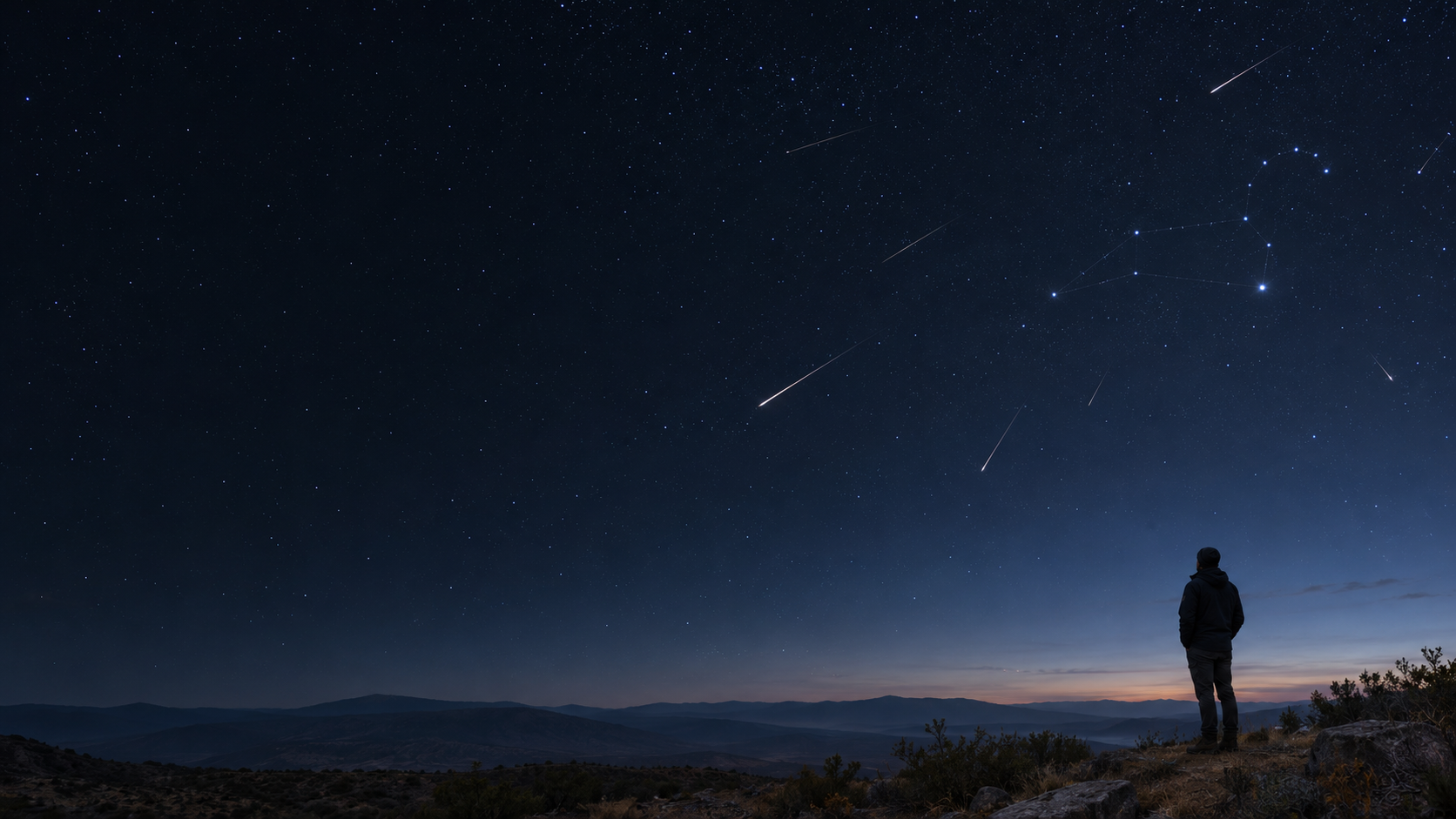
The meteors appear to radiate from the direction of the constellation Leo, which gives the shower its name. This apparent origin is called the radiant.
The radiant is a perspective effect. Meteors can appear anywhere in the sky, although their paths seem to point back toward Leo. Look across a broad area of sky rather than staring only at the constellation. A high, unobstructed view away from direct lights usually provides the best results.
When to Watch
The best time is generally after midnight through the hours before dawn. Earth’s forward-facing side encounters more meteoroids before sunrise, and Leo rises higher later at night.
Meteors can appear during the evening, but rates are often lower. Early evening observers may occasionally see long, grazing meteors, although these are less common.
Plan to watch for at least 30 minutes. One or more hours provides a better opportunity because meteors arrive at irregular intervals. Allow your eyes time to adjust before evaluating the conditions.
The peak is a period of greatest expected activity, not a guaranteed display at a precise minute. Activity usually increases before the peak and declines afterward, so the nights immediately before and after November 18 may still be worthwhile.
Where to Watch
Choose the darkest practical location with legal nighttime access and a clear view. Rural areas, designated dark-sky sites, open fields, and permitted parks can work well. Avoid downtown areas, shopping centers, stadiums, streetlights, busy roads, and bright parking lots.
Never trespass or stop on a dangerous road shoulder. Check park hours, access rules, road conditions, and weather before traveling.
Dallas–Fort Worth
Clear, chilly conditions reported for Dallas–Fort Worth could support viewing Source 1. Central Dallas and Fort Worth have substantial light pollution, so suburban or rural locations may offer darker skies. Wear several warm layers because temperatures can fall overnight.
Asheville, North Carolina
Reports have also described clear conditions around Asheville as favorable Source 9. Mountain weather can change quickly. Check cloud cover, wind, precipitation, and road conditions before driving to an elevated or rural site.
Austin and Nashville
Local reports have also provided Leonid viewing guidance for Austin Source 5 and Nashville Source 7. City residents may see the brightest meteors, but darker sites outside the city will reveal more.
The Leonids are visible across much of the Northern Hemisphere, not only in these locations.
How to Watch
The naked eye is usually the best instrument. Meteors can appear across a wide area, while a telescope’s narrow field of view can cause you to miss them. Binoculars are optional for observing stars between meteors.
Bring:
- A reclining chair
- A sleeping bag or blanket
- Warm layers, gloves, a hat, and insulated footwear
- Water and snacks
- A thermos of a warm drink
- A red-light flashlight
Recline with as much sky visible as possible. Keep streetlights, buildings, and lamps behind you, and scan broadly rather than watching one point.
Bright screens can quickly destroy night vision. Check weather and maps before starting, then keep the phone away. Use a red light and low screen brightness if necessary. Allow 20 to 30 minutes for your eyes to readjust after exposure to bright light.
Weather and Moonlight
Check the latest forecast for:
- Cloud cover
- Visibility
- Temperature
- Wind
- Humidity
- Precipitation
- Road conditions
Clouds are the most decisive factor. A dark site cannot compensate for an overcast sky. Multiple thin layers, warm footwear, gloves, a hat, and a blanket can make a long session more comfortable.
Bright moonlight reduces contrast and can hide faint meteors. Place the Moon behind you when possible, or use a building, tree, or vehicle to block direct glare without blocking most of the sky. Verify the Moon’s phase and position for 2026 rather than relying on an old guide.
How Many Meteors Will You See?
Published meteor rates generally assume dark skies, excellent weather, a clear view, and an experienced observer. Actual results vary with light pollution, haze, clouds, moonlight, obstructions, and viewing time.
Leonids move at very high speeds and can produce bright streaks. Exceptionally bright meteors are called fireballs, but fireballs are unpredictable and should not be expected.
Quiet intervals are normal, even during the peak. Continue watching for at least 30 minutes, and preferably for an hour or more, before judging the shower.
Safety Tips
Use a legal, safe viewing site. Park completely off the roadway, wear reflective clothing near traffic, and keep children and pets away from roads, steep slopes, cliffs, and water.
Bring a charged phone for emergencies and tell someone where you are going when visiting a remote location. Check road conditions before driving to rural or mountain sites, and leave before fatigue creates a driving hazard. Organized astronomy events and public observatories can provide safer alternatives.
Simple Viewing Plan
- Check the hourly forecast before sunset.
- Choose a dark, legal, accessible location.
- Pack warm clothing, a blanket, water, snacks, a chair, and a red light.
- Charge the phone and download maps before leaving.
- Park safely and turn off unnecessary lights.
- Allow your eyes to adjust to darkness.
- Recline and scan a broad section of sky for at least 30 minutes.
- Collect all belongings and trash before leaving.
- Use headlights carefully and drive safely home.
Final Takeaway
The 2026 Leonid meteor shower is expected to peak on November 18, with the best viewing generally occurring after midnight and before dawn. Find a dark location, check the weather shortly before leaving, dress warmly, avoid bright screens, and remain patient.
The shower may produce only a few visible meteors, but a single bright streak can make the night memorable.
Frequently Asked Questions
When will the Leonids peak?
Astronomy.com identifies November 18, 2026, as the expected peak date Source 3. Nearby nights may also offer activity.
What is the best time to watch?
Watch from after midnight through dawn. Leo rises higher later at night, and Earth’s forward-facing side encounters more meteoroids before sunrise.
Do I need a telescope?
No. The naked eye is usually best because meteors can appear across a wide area of sky.
Where should I watch?
Choose a dark, legal location away from city lights with a clear view. Check access rules, weather, and road conditions before traveling.
How many meteors will I see?
The number depends on darkness, clouds, moonlight, obstructions, and viewing duration. Published rates are not guarantees.
Is meteor watching safe?
Yes, when practiced from a safe location. Prepare for cold temperatures, traffic, uneven ground, wildlife, and nighttime driving.
Related Articles
-
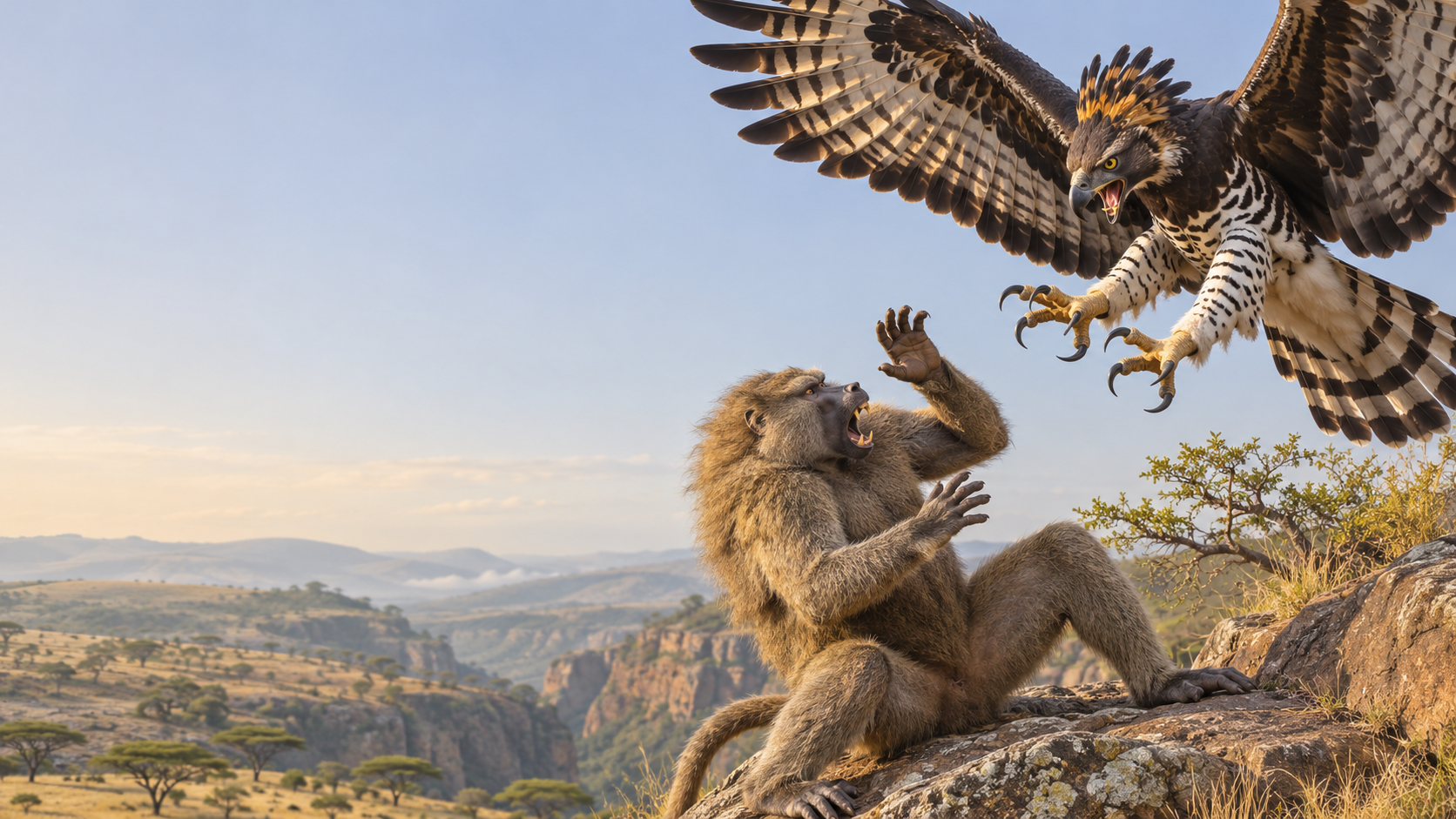 Eagles Preying on Human-Sized Baboons: What It Means
-
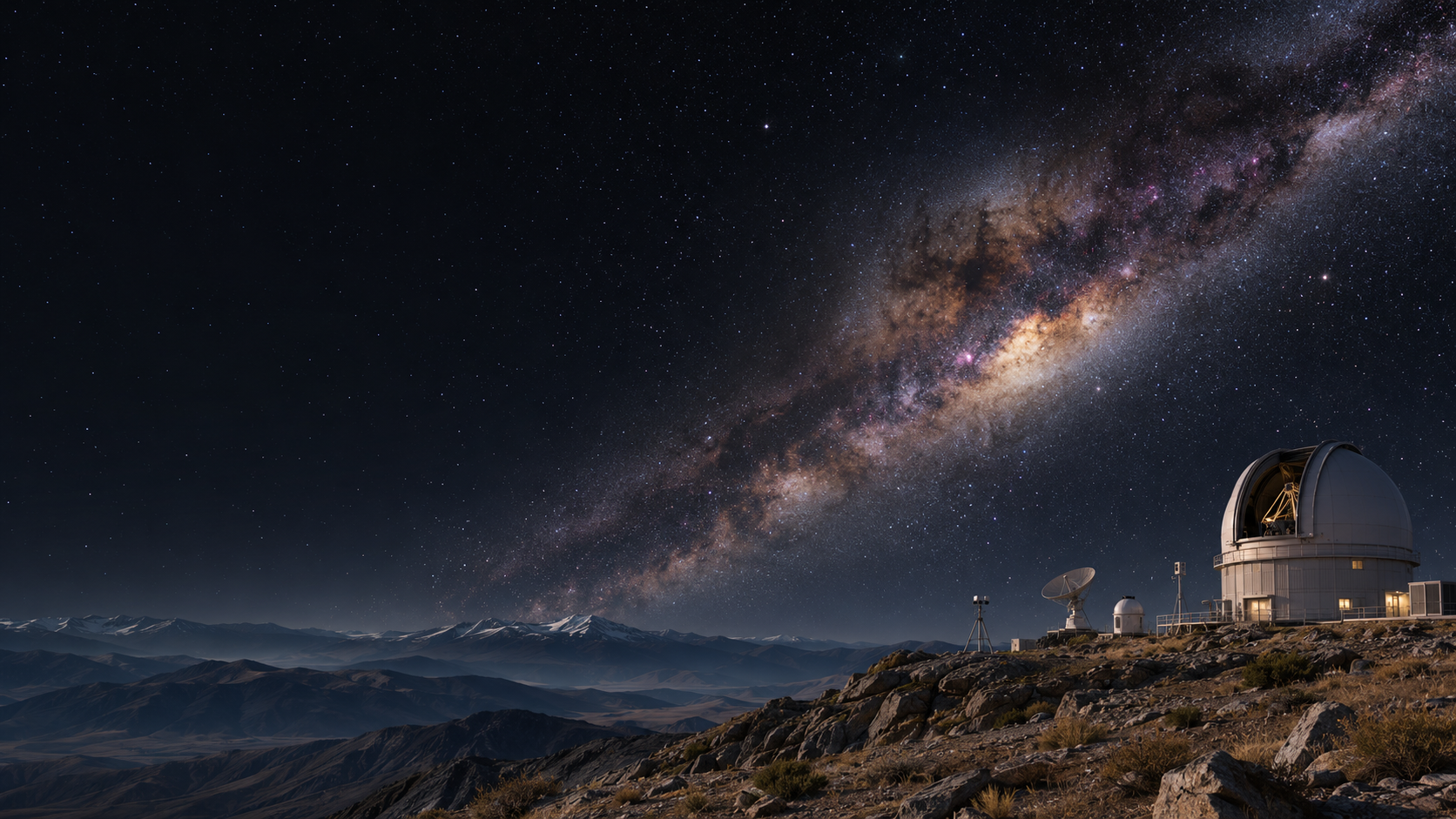 DESI Estimates the Milky Way’s Mass at 1.19 Trillion Suns
-
 Deep-Sea Mining Rocks Also Provide Habitat for Tiny Creatures
-
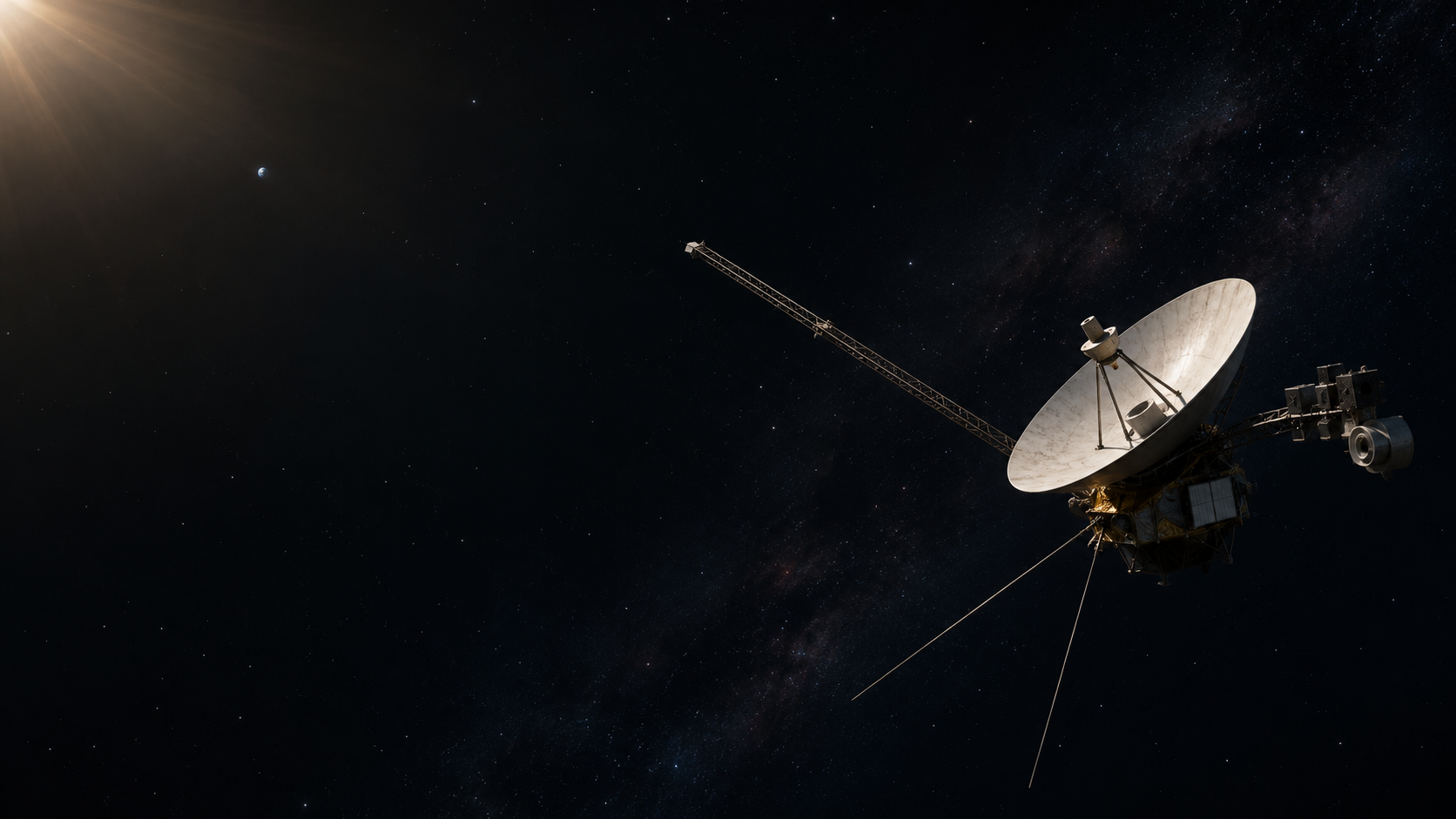 Voyager 1 Approaches the One-Light-Day Milestone
-
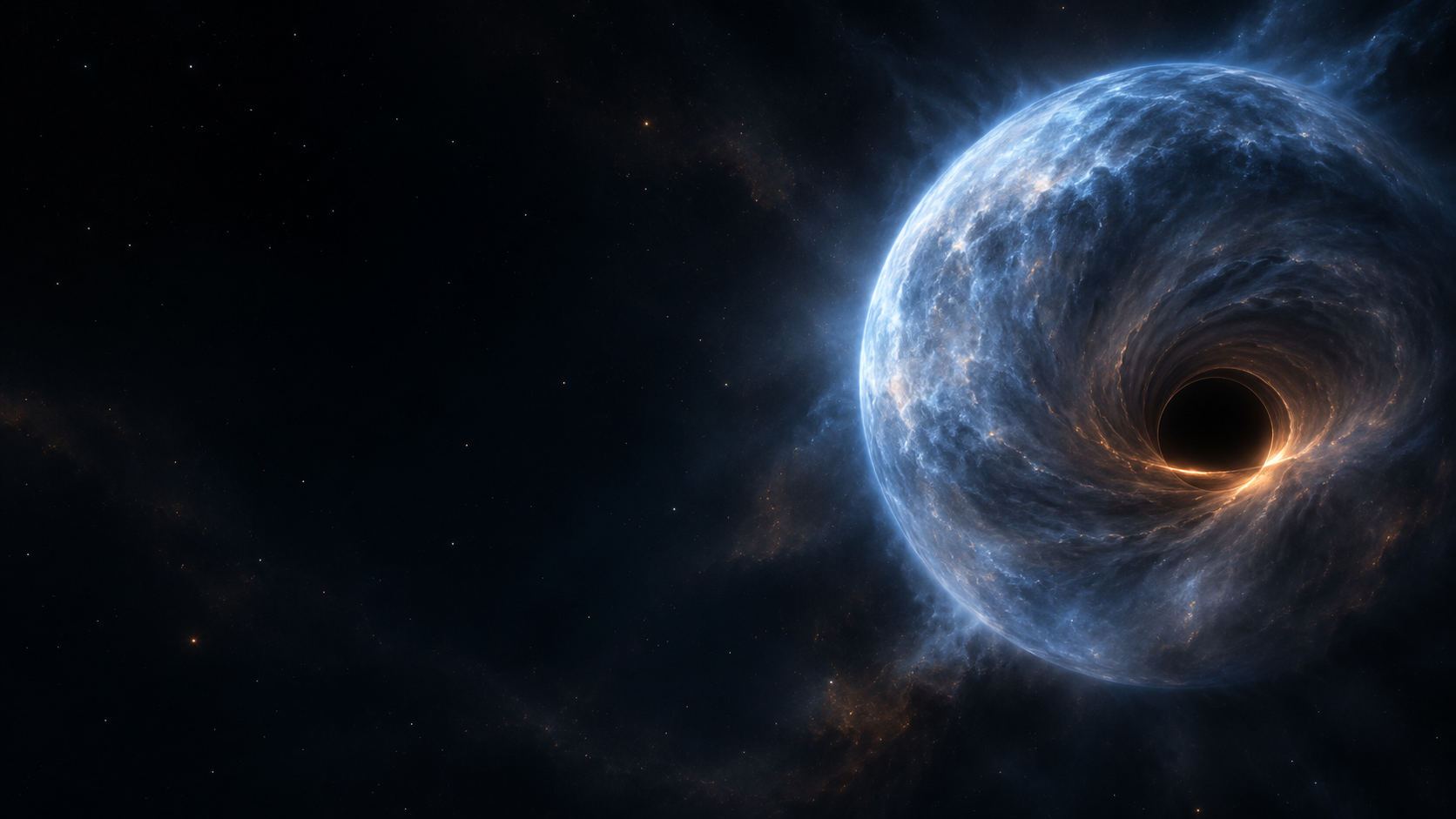 Rare Black Holes Born Without a Supernova
-
 125,000-Year-Old Poisoned Stone Points in Arabia?
-
 How Animals Survive Being Frozen Solid
-
 Why People Are Flashing Lights for Voyager 1
-
 Leonid Meteor Shower 2026: Peak Time and Viewing Guide
-
 Northern Lights Forecast: 12 States May See Aurora
-
 NASA Investigates Mars’ Mysterious “Potato Chip” Shapes
-
 Voyager 1 Reaches the One-Light-Day Milestone
-
 Voyager Probe Nears One Light-Day From Earth
-
 Thinkers of Cernavodă: Stone Age Figurines
-
 Why NASA Wants You to Shine a Light for Voyager 1
-
 Stephen Hawking’s Private Life Reexamined