Kelly Challenges Hun Cao’s Navy-Ship Food Analogy
Kelly Challenges Hun Cao’s Navy-Ship Food Analogy About Food Shortages
Kelly reportedly challenged Hun Cao’s comparison between current food shortages and shortages aboard Navy ships, according to a report from The Hill. The available reporting confirms the dispute but does not establish Kelly’s full name, Cao’s role, the specific shortage under discussion, or the complete wording of either person’s remarks. Source 1
The disagreement raises a broader question: Can conditions aboard a Navy ship meaningfully explain food shortages affecting civilians or a larger public system? The comparison may illustrate supply limits and logistical disruption, but it may also obscure major differences in scale, responsibility, access, and consequences.
What Is Confirmed?
The supplied reporting confirms one central fact: Kelly challenged Hun Cao’s analogy involving food shortages on Navy ships. It does not provide Kelly’s full rebuttal or explain precisely why Kelly rejected the comparison. It also does not identify the specific shortage being discussed.
The available information does not establish:
- Kelly’s full name, title, or affiliation.
- Hun Cao’s professional role or political affiliation.
- The location connected to the shortage.
- The products or food categories involved.
- Whether the shortage was temporary or prolonged.
- Whether the exchange occurred during a hearing, interview, briefing, debate, or online discussion.
- Kelly’s exact words.
- Cao’s complete argument.
- Whether either person referred to civilian food access, military procurement, government policy, or supply-chain conditions.
The confirmed issue is therefore narrow: Kelly disputed Cao’s use of a Navy-ship comparison. Its broader meaning requires careful analysis rather than unsupported attribution.
What Cao’s Analogy May Have Intended to Show
Without the original quotation, Cao’s precise argument cannot be stated as fact. The analogy may have been intended to explain how institutions manage limited supplies under difficult logistical conditions.
Navy ships operate with finite storage, planned provisioning, and scheduled resupply. A ship cannot carry unlimited quantities of every product. It may need to manage inventory, adjust menus, prioritize essential supplies, and wait for replenishment. These features make a ship an accessible example of how logistical planning affects food availability.
The comparison may also have emphasized prioritization. When supplies are limited, decision-makers must determine which goods receive priority, which substitutes are acceptable, and how long existing inventory can last. These remain possible interpretations, not verified details about Cao’s position.
Why the Comparison May Face Criticism
Kelly’s objection may have focused on the differences between shipboard logistics and civilian food access. The report confirms the challenge but not the reasoning. Several distinctions could explain the criticism.
Different operating environments
A Navy ship is a controlled military environment. Its personnel belong to a defined organization, follow a chain of command, and operate under established procedures. Procurement and distribution may be managed through centralized systems connected to mission planning.
A civilian shortage can involve households, retailers, farms, distributors, schools, hospitals, or local governments. These groups do not necessarily share one command structure or inventory system. Their ability to respond varies by income, location, infrastructure, and institutional support.
Different supply systems
Military ships generally depend on advance planning, inventory controls, delivery schedules, and replenishment arrangements. Civilian food systems involve production, wholesale distribution, transportation, retail operations, consumer demand, pricing, and public assistance.
A delay in one part of a civilian network can affect access even when food exists elsewhere. A household may face an empty shelf, a higher price, or a long journey to another store. A shipboard shortage may instead reflect planned consumption, delayed resupply, storage limits, or a decision to substitute one item for another.
The visible result—limited food choices—does not establish that the causes are the same.
Different populations and accountability standards
Sailors aboard a Navy ship form a defined group with an institution responsible for their welfare and operational readiness. Civilians affected by food shortages may have no comparable access to centralized support.
Military logistics may be judged partly by mission readiness and operational continuity. Civilian food access also raises questions about affordability, nutrition, public health, equity, and institutional responsibility.
A military organization may accept a temporary reduction in variety if essential nutritional needs remain available. A civilian shortage may remain serious if people cannot afford substitutes, reach a store, or obtain food that meets medical or dietary requirements.
Different time frames
A temporary shortage aboard a ship is not automatically comparable to a prolonged shortage affecting communities. A short delay may require substitutions, while a continuing disruption can lead to higher prices, reduced nutrition, business closures, missed meals, or reliance on emergency assistance.
The comparison becomes weaker when one situation is brief and controlled while the other is widespread or persistent.
Scarcity, Access, and Affordability Are Different
Food debates often combine several distinct problems. A product may be unavailable, available only at a higher price, or present in a region but inaccessible to a particular community. A household may find food on a shelf but still be unable to afford enough of it.
- Physical scarcity: A product is unavailable in the relevant location because of production failures, transportation disruptions, supplier problems, weather, or low inventory.
- Affordability: Food is available but priced beyond a household’s means.
- Distribution access: Food exists in the broader market but cannot be reached because of distance, damaged roads, limited transit, store closures, or uneven distribution.
- Nutritional access: Available food does not meet a person’s dietary, medical, religious, or nutritional needs.
A ship with limited supplies may face physical scarcity, but its command structure may know the inventory position and have a resupply plan. That does not necessarily address wages, household budgets, inflation, transportation, or unequal access in civilian markets.
Controlled Military Logistics Versus Civilian Markets
Navy ships typically rely on planned provisioning. Before deployment, personnel estimate consumption, arrange supplies, allocate storage, and plan replenishment. Inventory management can account for the number of people aboard, mission length, storage capacity, and expected delivery opportunities.
Civilian food markets operate through a decentralized network. Producers, distributors, retailers, and consumers make decisions across different parts of the system. Supply and demand affect prices, transportation costs influence regional availability, businesses maintain different inventory levels, and households have unequal purchasing power.
Both systems require forecasting and logistics, but they are organized differently and distribute consequences differently. A ship can adjust menus through centralized decisions. A retailer may raise prices, limit purchases, or find another supplier. A household may have to buy a less nutritious substitute, travel farther, or go without.
A Navy example can explain finite storage, replenishment delays, and supply prioritization. It cannot by itself prove that a civilian shortage has the same cause or solution.
What Evidence Would Resolve the Dispute?
A fact-based assessment would require more than the reported statements. Relevant evidence could include:
- Official descriptions of the shortage.
- Inventory and stock records.
- Procurement contracts.
- Delivery schedules.
- Supplier communications.
- Transportation and port data.
- Retail availability and price information.
- Statements from affected communities.
- Independent logistics analysis.
- Records of emergency assistance or substitute supplies.
- The disruption’s duration and geographic scope.
The analysis should distinguish between explanation and justification. A supply-chain disruption may explain why food was unavailable, but it does not show that the response was adequate. Likewise, a Navy-ship comparison may explain scarcity in general without proving that a specific shortage was unavoidable.
Questions Requiring Verification
Who are Kelly and Hun Cao?
The supplied material does not identify Kelly’s full name or Cao’s role. Publication should confirm their names, titles, affiliations, and relevance to the exchange.
What shortage was under discussion?
The article should identify the affected location or institution, products involved, dates, scale, and reported cause. Referring broadly to “current food shortages” may expand a specific dispute beyond what the source supports.
Where did the exchange occur?
The setting could have been a legislative hearing, press briefing, interview, debate, public meeting, or online exchange. That context affects how the remarks should be interpreted.
What did each person say?
The original statements should be quoted or accurately paraphrased. The article should not assign Kelly or Cao a conclusion that the available evidence does not support.
Was the shortage temporary?
The timeline is essential. A short-lived disruption and a prolonged shortage should not be evaluated under the same framework.
Conclusion: The Analogy Is Not the Evidence
The available reporting confirms that Kelly challenged Hun Cao’s analogy between current food shortages and conditions aboard Navy ships. It does not establish the participants’ full identities, the exact shortage, or the precise arguments made during the exchange. Source 1
A Navy ship and a civilian food system can both experience limited supplies, but they may differ substantially in organization, scale, duration, accountability, and human impact.
An analogy can clarify logistics. It cannot establish the cause of a shortage, determine responsibility, or prove that the response was adequate. Those conclusions require verified quotations and evidence about inventory, distribution, prices, access, and the people affected.
Frequently Asked Questions
What analogy did Hun Cao make about food shortages?
Hun Cao reportedly compared current food shortages with conditions aboard Navy ships. The supplied report does not include the complete wording or context, so the original statement should be verified before further interpretation.
Why did Kelly challenge the analogy?
The available material confirms the challenge but does not provide the specific rebuttal. Kelly may have questioned the comparison’s accuracy, relevance, scale, or policy implications, but those possibilities require confirmation from a transcript, recording, or expanded report.
Are Navy-ship food shortages comparable to civilian shortages?
They may share logistical features, including limited supplies and delayed deliveries. However, Navy ships generally operate through centralized planning and command, while civilian food access depends on markets, transportation, prices, local infrastructure, and household resources.
What information is missing?
The supplied material does not identify Kelly’s full name, Cao’s role, the location or type of shortage, the exact quotations, or the context of the exchange.
Why can analogies mislead policy debates?
An analogy can simplify a complex issue but also imply that two situations have the same causes, responsibilities, consequences, and solutions. Those similarities must be tested against evidence.
What should readers examine?
Readers should compare the complete statements from Kelly and Cao with verified information about the shortage, including its duration, scope, cause, affected population, supply conditions, prices, access, and proposed response.
Related Articles
-
 Xi Jinping Reportedly Hugs Trump Ahead of Summit
-
 Trump Projects Strength on China as Tech Failures Raise Concerns
-
 Modi, Trump Awkward Quad Photo-Op: What Footage Shows
-
 Ukraine Seeks Air Defense as Peace Talks Narrow
-
 Oversight Democrats Signal Scrutiny of Trump Allies
-
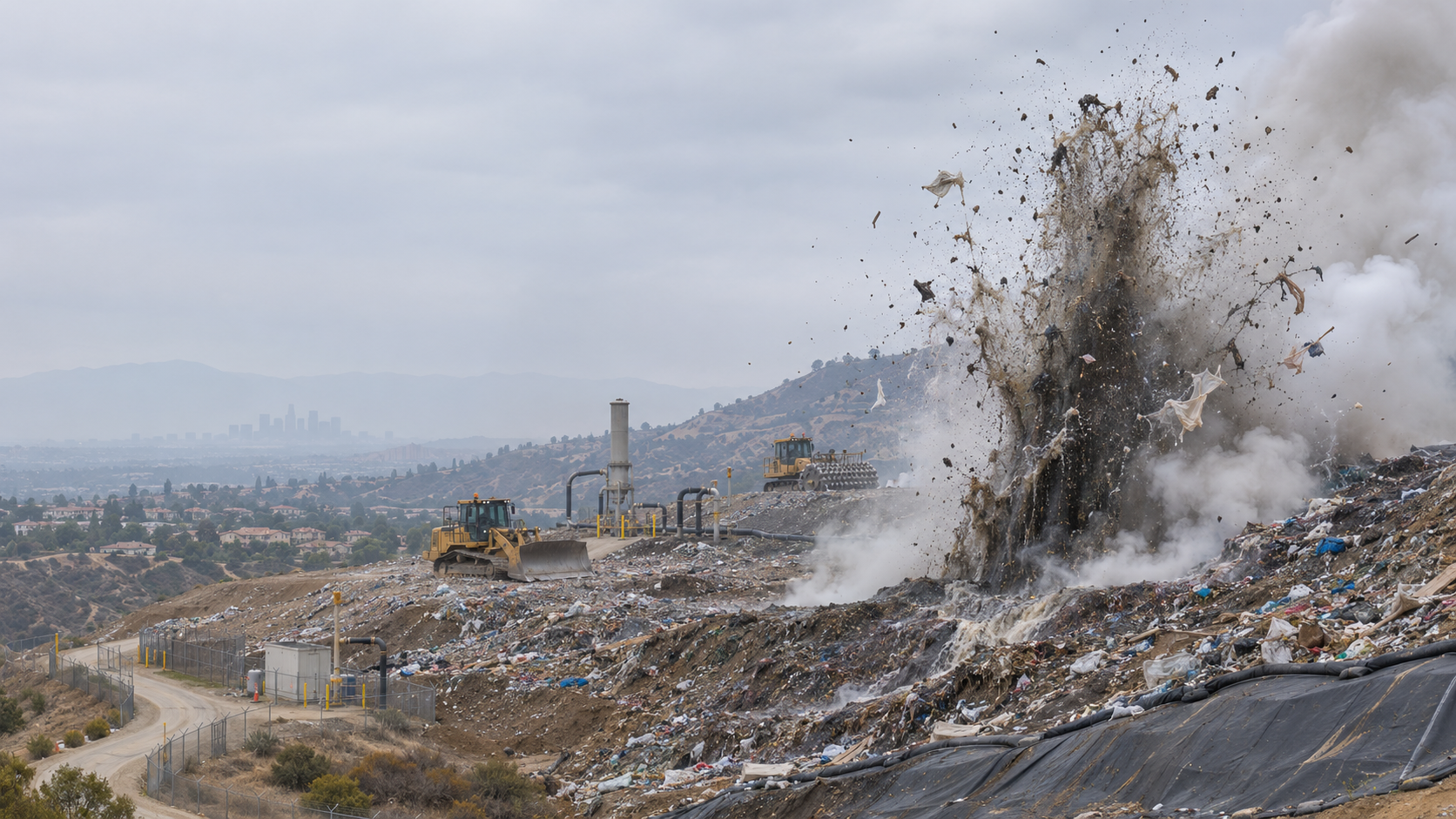 Chiquita Canyon Landfill Trash Geyser Raises Health Concerns
-
 Mary Peltola and Alaska's Senate Balance: Fact-Check
-
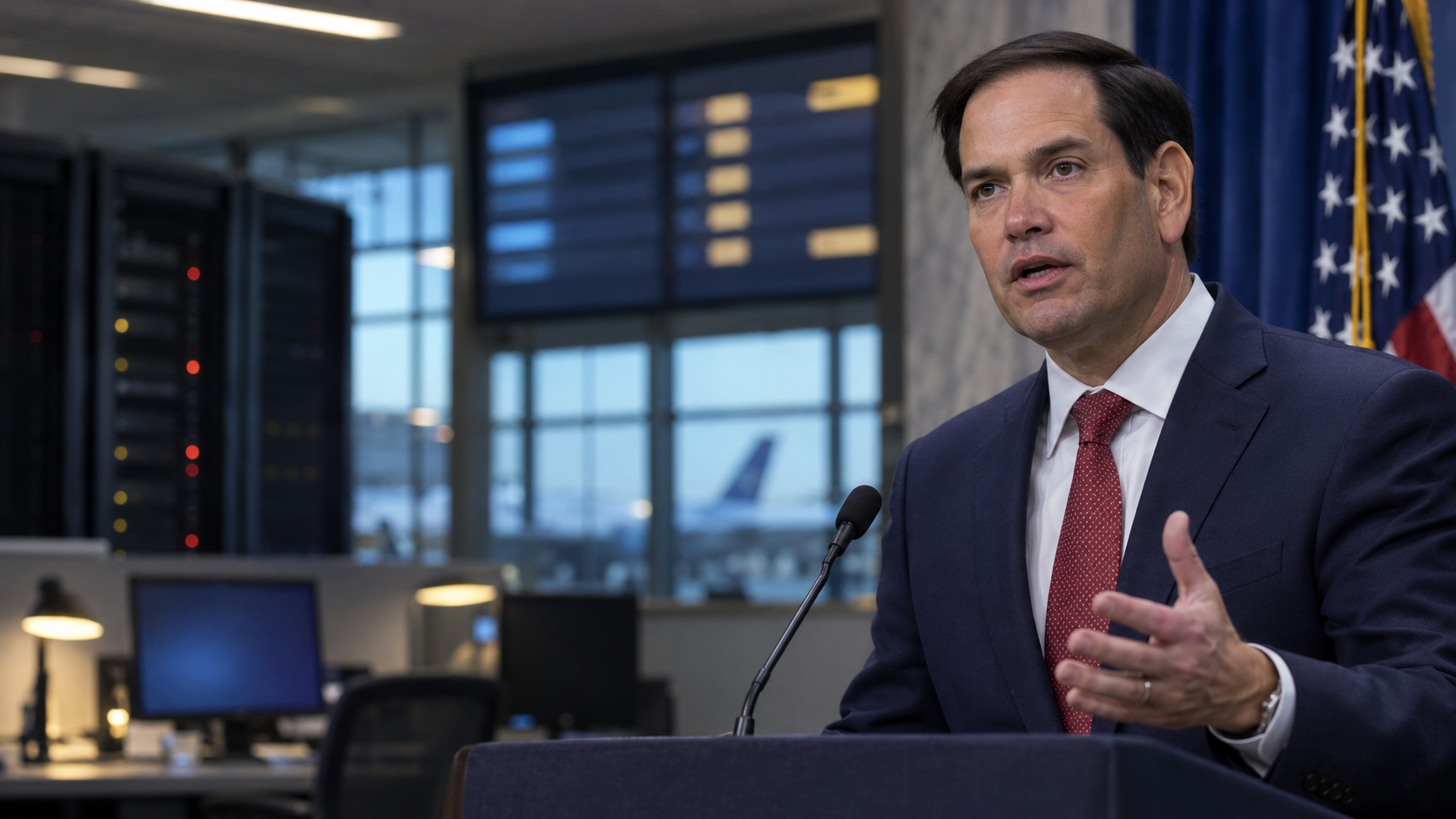 Rubio Says No Evidence Links Recent Tech Outages
-
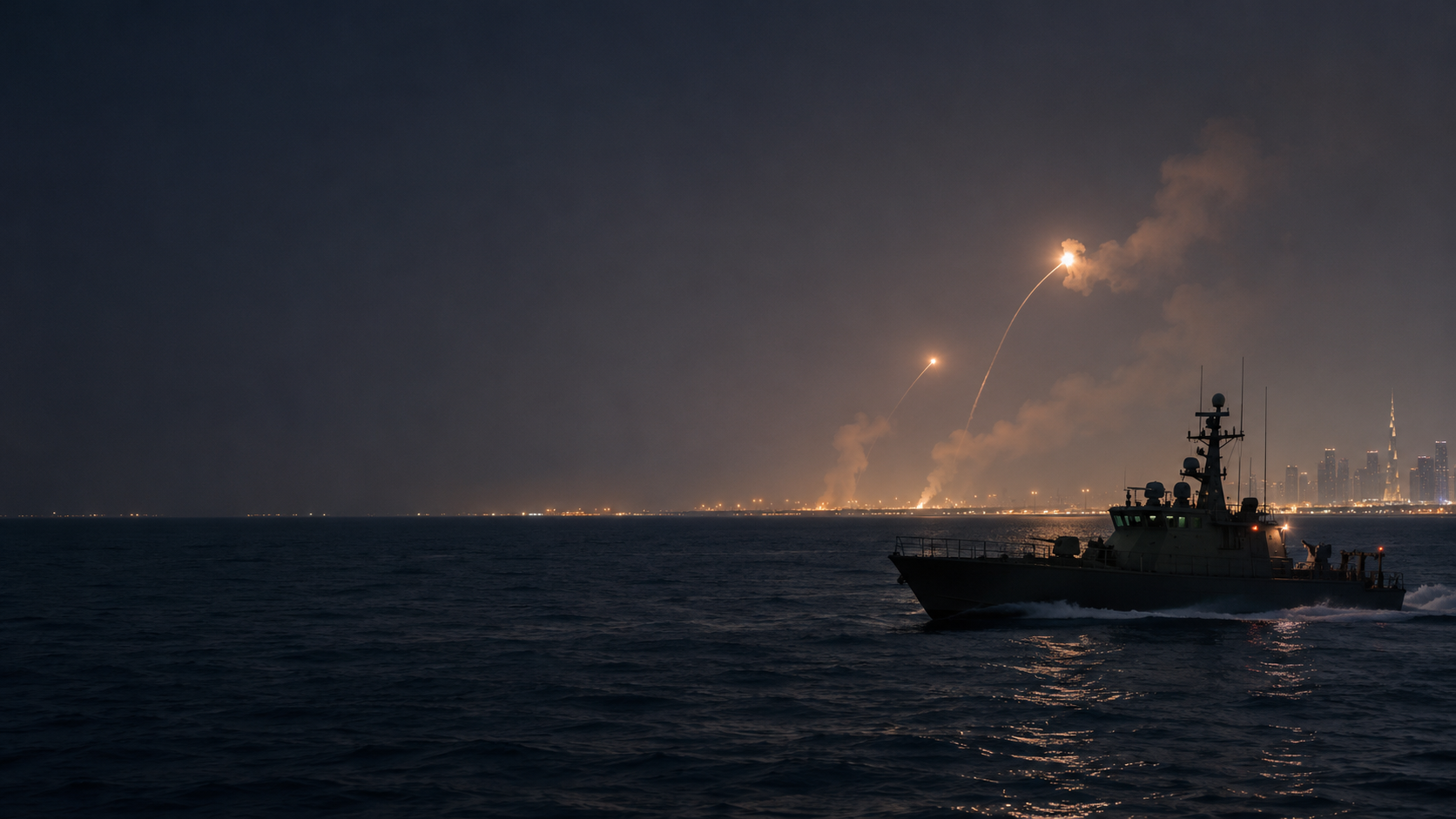 Reported Iran Attacks on Kuwait and Bahrain Escalate Gulf Crisis
-
 APEC Summit: Xi-Putin Talks and Trump-Kim Signals
-
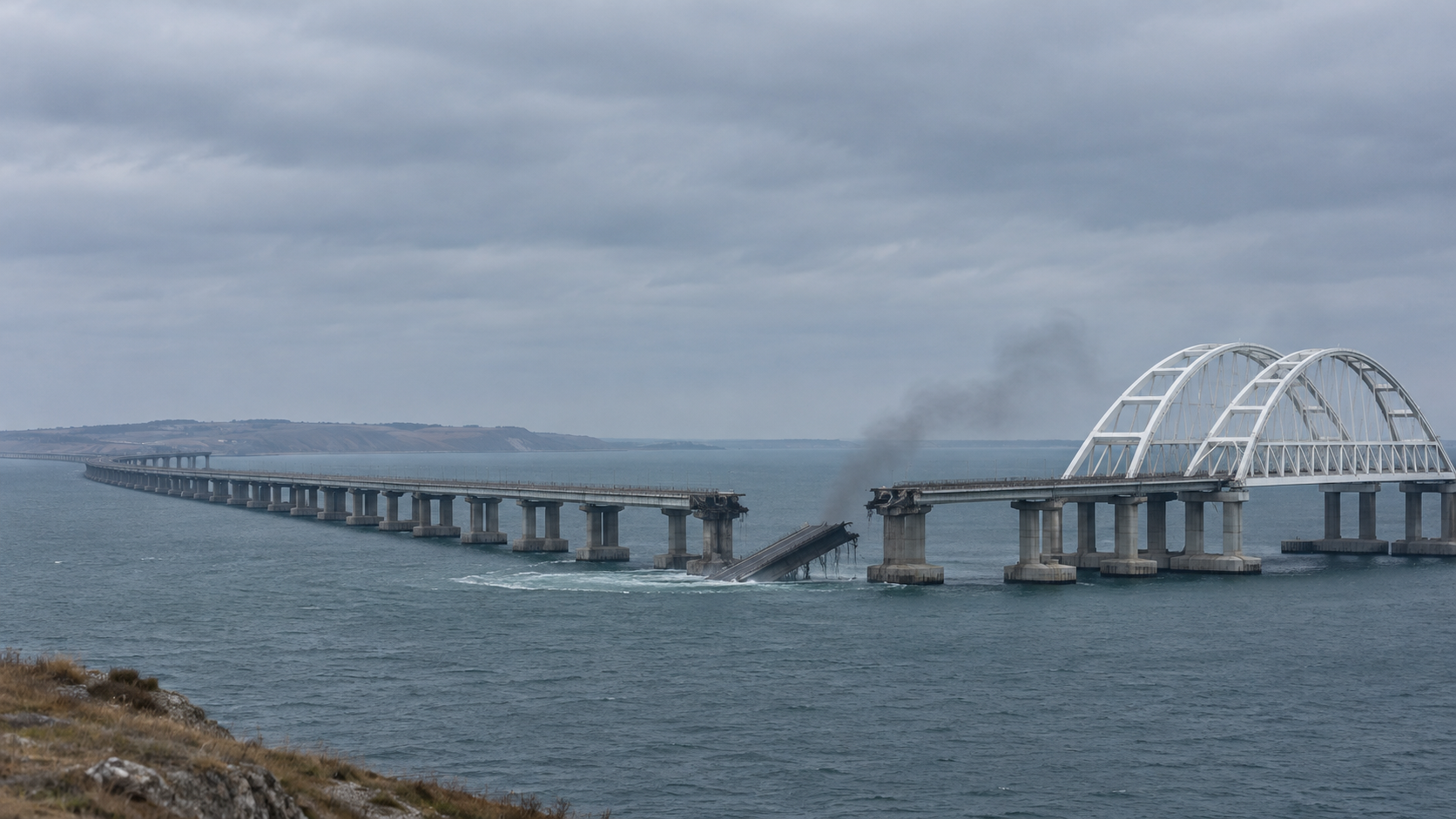 Ukraine’s Reported Strike on the Kerch Bridge
-
 American Soldier in UK Taken Into US Military Custody
-
 Mary Peltola Did Not Defeat Dan Sullivan
-
 Rubio: No Evidence Linking U.S. Outages to Malign Actor
-
 White House Withdraws Heidi Overton FDA Nomination
-
 Iran’s Reported Bahrain Strike Prompts U.S. Retaliation