Ebola Outbreak in DR Congo Still Not Under Control
Ebola Outbreak in DR Congo Still Not Under Control
The Ebola outbreak in the Democratic Republic of the Congo (DR Congo) remains “still not under control” after six months of response, according to reports citing the Africa Centres for Disease Control and Prevention (Africa CDC).
The warning indicates that health authorities have not yet interrupted all transmission chains. Sustained action remains necessary to detect cases, trace contacts, protect healthcare workers, maintain essential services, and build trust in affected communities.
Reports summarized by PBS and Nature World News describe the outbreak as continuing despite response efforts. The duration of the emergency underscores the difficulty of identifying every case, monitoring every contact, protecting health workers, and maintaining cooperation.
This article explains what the Africa CDC warning means, why Ebola remains difficult to contain, how the outbreak affects vulnerable groups, and which measures are needed next. It does not add unverified case counts, death tolls, affected provinces, or vaccination figures.
What “Still Not Under Control” Means
In public-health terms, “not under control” does not mean Ebola is spreading throughout every part of the country. It means that transmission has not been sufficiently interrupted in affected areas.
New infections may still be occurring, some contacts may remain unidentified, and response measures may not reach everyone who needs them. A geographically limited outbreak can still pose a serious emergency because one missed case can expose family members, caregivers, healthcare workers, and other community contacts.
Nature World News similarly reported that the outbreak remained uncontained after six months. Source
The Africa CDC chief also warned that there is “no magical solution” to the crisis, according to CIDRAP. Ebola control requires several measures to work together. Treatment alone cannot stop transmission, vaccination cannot identify every infected person, and contact tracing cannot succeed without community cooperation, trained staff, transport, and reliable information.
Why Containment Remains Difficult
Delayed Detection
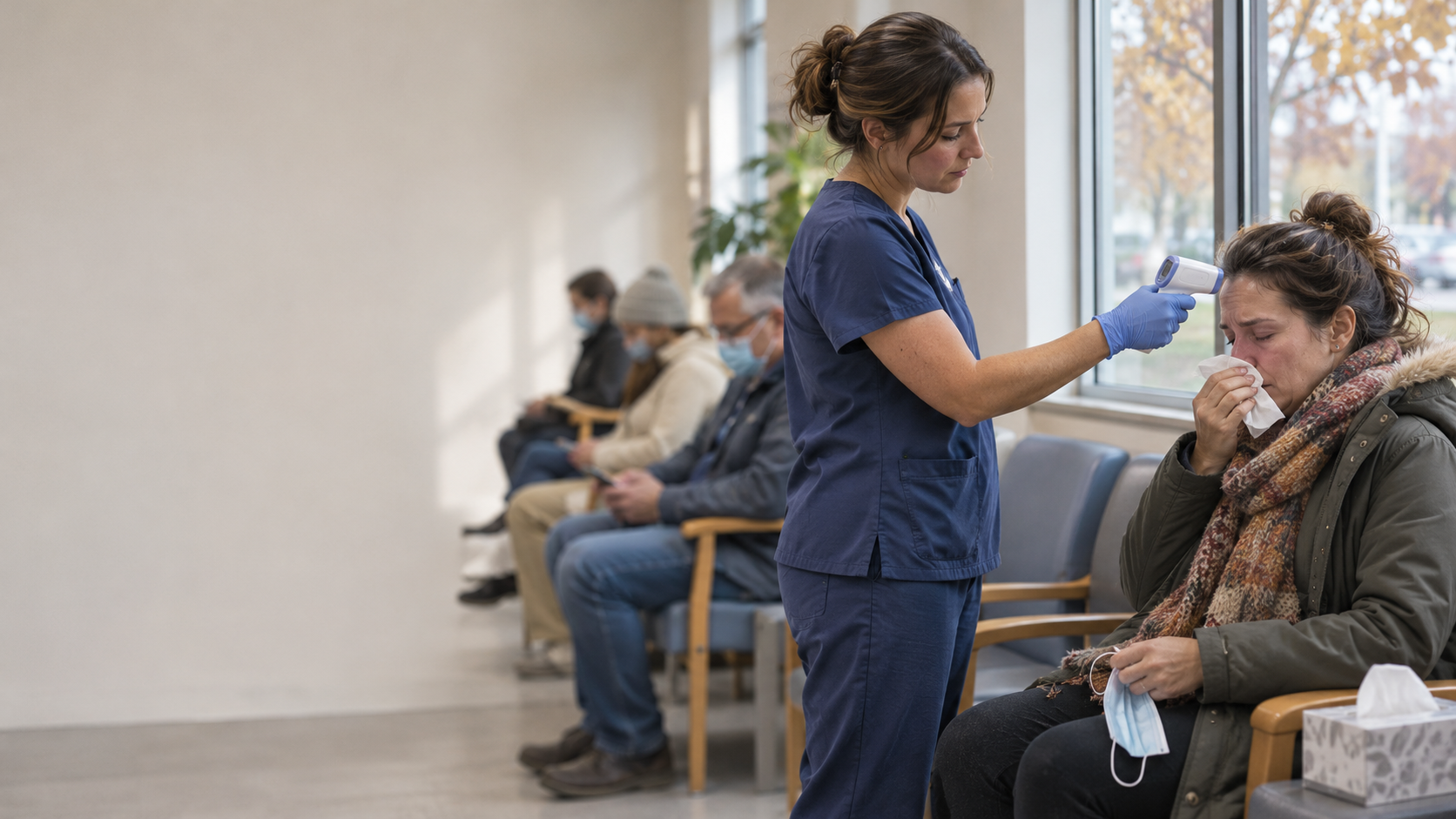
Ebola can spread before a case is identified and isolated. Early symptoms may resemble other illnesses, while cost, distance, fear, stigma, or concern about family separation may delay care.
The response depends on a rapid sequence:
- Recognize symptoms and possible exposure.
- Refer the person safely for medical assessment.
- Test for Ebola when indicated.
- Isolate suspected cases while awaiting results.
- Investigate cases and identify contacts.
- Begin appropriate treatment and monitoring.
A delay at any stage gives the virus more opportunities to spread. This does not establish that delayed detection is the main cause of the current outbreak, but it explains why speed is central to Ebola control.
Contact-Tracing Gaps
Contact tracing identifies people who may have been exposed and monitors them for symptoms. It becomes more difficult when people move between communities, contacts cannot be reached, or families fear stigma and isolation.
Response teams may also face shortages of personnel, vehicles, protective equipment, or communication tools. Effective tracing requires privacy, clear information, transportation support, medical access, and respectful follow-up.
Pressure on Healthcare Systems
Ebola response operations require treatment facilities, trained staff, laboratories, protective equipment, safe transport, and strict infection-prevention procedures. A prolonged outbreak can strain all these resources.
Hospitals and clinics must also continue treating malaria, injuries, pregnancy complications, respiratory infections, and other conditions. Maintaining routine care is part of the outbreak response. If ordinary facilities become associated with Ebola exposure, people may avoid seeking urgent care.
Healthcare workers need appropriate protective equipment, infection-prevention training, safe transport procedures, clear protocols, and mental-health support.
Community Trust
Families and local residents are often the first to notice illness, report suspected cases, support contact monitoring, and guide responders toward people who need help.
Trust can be weakened by:
- Mistrust of government or international organizations.
- Fear of treatment centers.
- Concerns about isolation and family separation.
- Misinformation.
- Previous negative healthcare experiences.
- Resistance to safe and dignified burial procedures.
Response teams should communicate clearly and respectfully in locally appropriate languages. Communities should be treated as partners. Local leaders, survivors, healthcare workers, religious figures, women’s organizations, and community groups can make health information more credible and practical.
Mobility and Cross-Border Risk
Movement between communities can complicate surveillance, referral, and contact monitoring. People may travel for work, trade, healthcare, family responsibilities, or safety.
This does not prove that Ebola has crossed an international border, but it shows why neighboring authorities should share information. Preparedness includes coordinated alerts, laboratory referrals, trained staff, appropriate screening, and communication between health authorities without stigmatizing travelers or communities.
Human Impact
EEW Magazine reported that women and children are bearing a disproportionate share of the outbreak’s impact. Source
Women may face increased exposure while caring for sick relatives or managing household needs. Children may experience school interruptions, separation from caregivers, and emotional distress. Pregnant people, older adults, people with disabilities, caregivers, and households facing food or income insecurity may encounter additional barriers to care.
Healthcare workers and family caregivers also face elevated exposure risks, particularly when protective equipment is unavailable or infection-prevention procedures are inconsistent. Protecting health workers protects the wider healthcare system.
A prolonged response can disrupt maternal and child healthcare, schooling, household income, food access, transport, and routine medical services. These effects vary by location and household and should be documented directly rather than assumed.
How Ebola Outbreaks Are Contained
Key measures include:
- Early case finding and testing.
- Safe isolation and clinical treatment.
- Infection prevention and control.
- Contact monitoring and community surveillance.
- Safe and dignified burials when required.
- Vaccination when recommended and available.
- Clear, trusted communication.
Vaccination does not replace testing, isolation, contact tracing, infection prevention, treatment, or community engagement. Current vaccine recommendations, eligibility, availability, and coverage should be confirmed through official health-authority updates.
People with possible exposure or compatible symptoms should follow local public-health guidance, avoid unnecessary contact with others, and seek medical advice promptly. Not everyone with fever or similar symptoms has Ebola, so professional evaluation and testing remain essential.
What Must Happen Next
The response requires sustained funding, staffing, medical supplies, laboratory capacity, safe transport, protective equipment, accurate data collection, and transparent reporting.
Authorities and partners should strengthen local clinics, hospitals, laboratories, community health networks, and referral systems while maintaining maternal care, childhood vaccination, emergency treatment, and other essential services.
Communication should explain what officials know, what remains uncertain, where people can seek care, how exposure risks can be reduced, and how patients and families are supported. Messages should avoid blaming patients, survivors, healthcare workers, or communities.
Targeted support is needed for women caregivers, children, pregnant people, older adults, people with disabilities, healthcare workers, and households facing food or income insecurity.
What the Warning Means for the Public
The Africa CDC assessment is an official warning about outbreak control. It does not mean that every person in DR Congo faces the same level of risk or that Ebola is spreading everywhere.
Risk varies according to location, exposure, healthcare access, movement patterns, and current public-health conditions. People should rely on updates from the Africa CDC, DR Congo health authorities, the World Health Organization, local public-health announcements, and trusted medical professionals.
Readers should avoid sharing unverified case numbers, rumors, or stigmatizing claims. Current case counts, affected locations, vaccination guidance, and response details should be verified before publication because conditions can change quickly.
Conclusion
The Ebola outbreak in DR Congo remains “still not under control” after six months of response, according to the Africa CDC warning summarized by the supplied reports. Continued transmission reflects the difficulty of detecting every case, tracing contacts, protecting healthcare workers, maintaining routine services, and building trust.
No single intervention can end the crisis. The response must find cases early, test and isolate patients safely, provide treatment, trace and support contacts, protect health workers, maintain essential services, and work with affected communities.
Frequently Asked Questions
Is the Ebola outbreak in DR Congo under control?
According to the Africa CDC warning summarized in the supplied reports, the outbreak remained uncontrolled after six months. This means transmission had not been sufficiently interrupted. It does not mean every area faced the same level of risk.
What does “not under control” mean?
It means authorities are still detecting or expecting transmission and have not fully stopped the spread. Possible gaps include missed cases, incomplete contact tracing, delayed treatment, limited surveillance, or barriers to cooperation.
Why is Ebola difficult to contain?
Control requires early detection, testing, isolation, treatment, contact tracing, infection prevention, safe burials when required, vaccination where appropriate, and trusted communication. Weakness in one area can allow transmission to continue.
Who is most affected?
The supplied reports state that women and children are bearing a disproportionate share of the impact. Healthcare workers, caregivers, people with limited healthcare access, and households facing displacement or income loss may also face increased risks.
Is there a single solution?
No. The Africa CDC’s “no magical solution” warning emphasizes the need for sustained public-health action, adequate resources, community cooperation, and coordination among local, national, and international responders.
Where can people find reliable updates?
People should consult the Africa CDC, DR Congo’s health authorities, the World Health Organization, and trusted local public-health announcements. Case counts, affected locations, vaccination guidance, and response details should be verified because conditions can change quickly.